


The UK’s transport and logistics sector continues to face pressure from rising operating costs, resource constraints and the need to deliver more with less. For fleet operators, having access to accurate, timely information is becoming increasingly important.
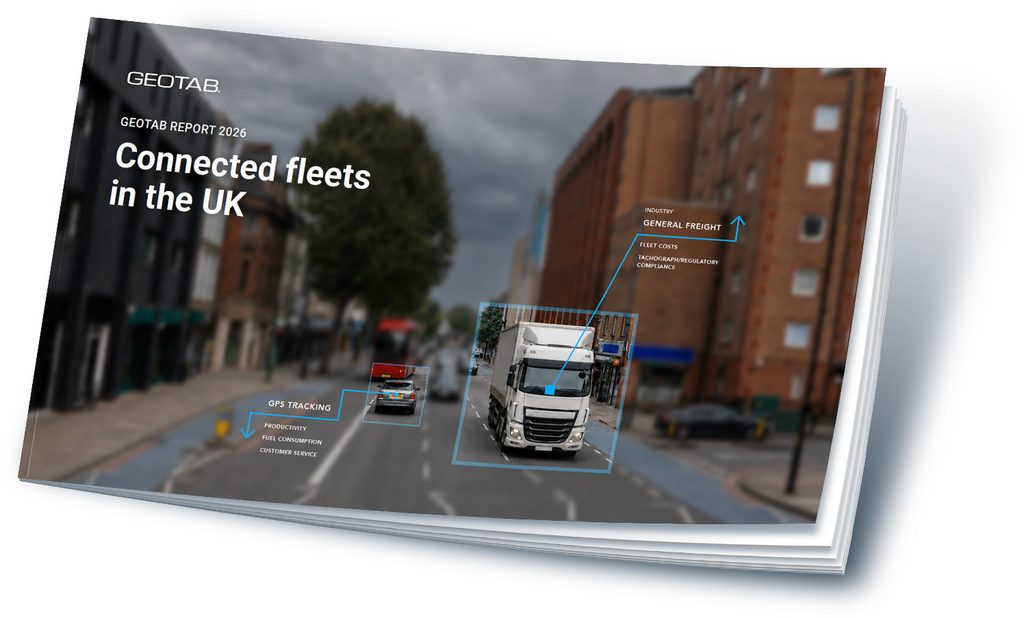
In its latest Connected Fleets Report 2026: Connected Fleets in the UK, Geotab explores how connected vehicle technology, unified data and intelligent fleet management can help businesses improve efficiency, manage risk and make more informed decisions.
At Trinsic Connected Car®, we help businesses access connected vehicle solutions through our technology partnerships, including Geotab. Here are some of the key insights from the report and what they could mean for UK fleet operators.
The rise of the connected fleet
According to Geotab’s UK report, 74% of commercial vehicle operations have deployed automated location tracking devices. This highlights how vehicle tracking has moved beyond being a useful additional tool and is becoming an important part of modern fleet management.
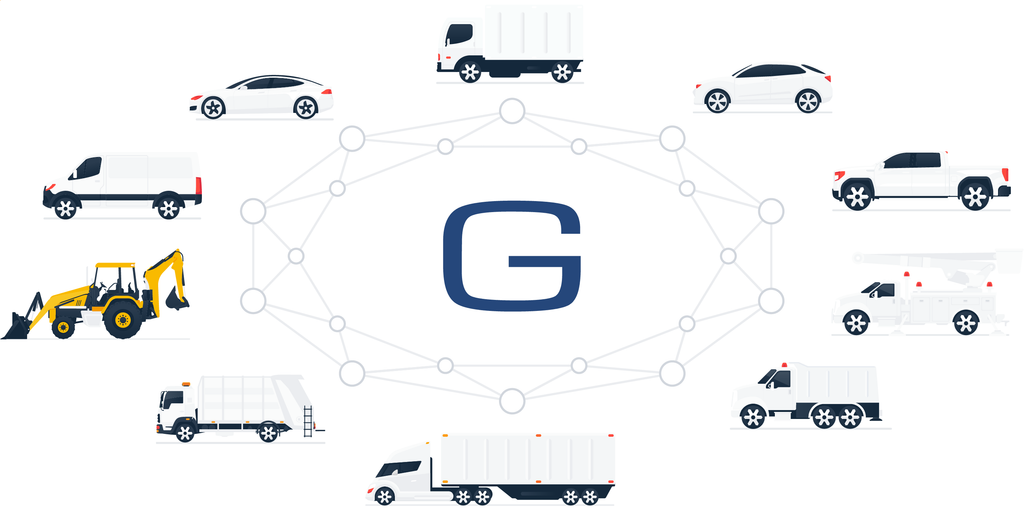
For businesses managing vehicles across multiple sites, real-time visibility can help answer important questions:
- Where are our vehicles and assets?
- Are they being used efficiently?
- Are deliveries and appointments running to schedule?
- Which vehicles are costing the most to operate?
- Where could we improve safety or reduce unnecessary mileage?
Rather than relying on phone calls, spreadsheets or delayed updates, connected fleet technology brings information together in one place. This gives fleet managers a clearer view of day-to-day operations and helps them make decisions based on what is actually happening.
Turning fuel data into operational savings
Fuel remains a significant cost for businesses operating commercial vehicles. Rising prices, unnecessary mileage and inefficient driving can all put pressure on margins.
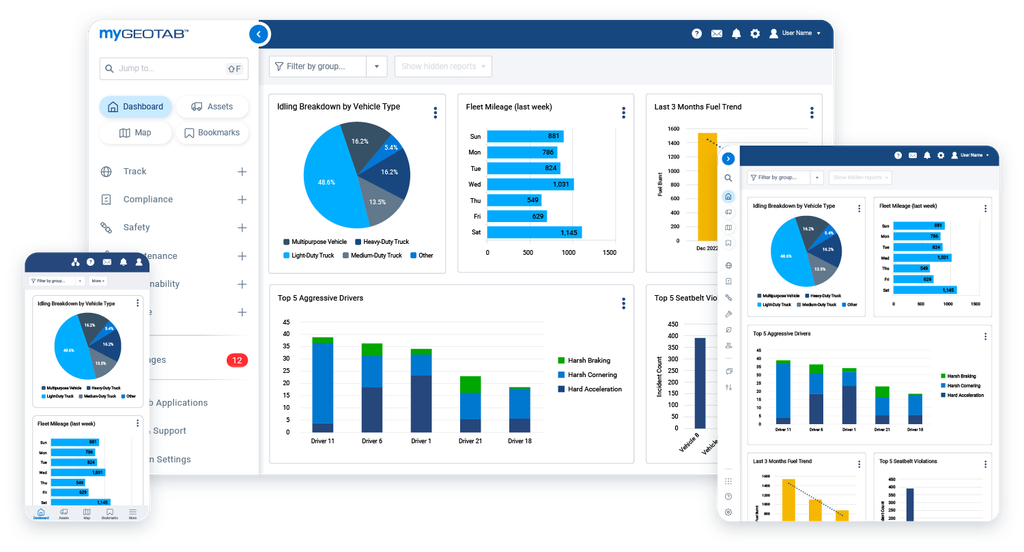
Geotab’s report highlights the potential for connected fleet technology to support more effective fuel management. Its findings indicate that UK vehicle tracking fleets can achieve a 49.7% reduction in variable fuel operating expenditure.
For fleet managers, the value of telematics lies in understanding what is driving fuel consumption. By analysing vehicle journeys, idling, mileage and driving behaviour, businesses can identify opportunities to reduce waste and improve efficiency.
This can help organisations:
- Identify unnecessary journeys and excessive idling.
- Improve route planning and vehicle utilisation.
- Understand fuel consumption across individual vehicles.
- Support more efficient driving practices.
- Make better-informed decisions about fleet replacement and electrification.
At Trinsic, we believe connected vehicle technology should deliver measurable business value. Geotab solutions, including vehicle tracking and MyGeotab analytics, can help organisations turn fleet data into practical actions.
Improving safety and protecting your business
Driver safety is a priority for every fleet operator. However, when vehicles are on the road throughout the day, it can be difficult to understand what is happening without reliable information.
Geotab’s report explores the role of video telematics in improving road safety and protecting businesses from the financial and reputational consequences of incidents.
Its findings highlight the potential of automated visual monitoring to help logistics businesses mitigate false insurance claims, with 68% of operators reporting benefits in this area.
Video telematics can provide valuable context when an incident occurs, helping businesses understand what happened and supporting a fairer assessment of liability. It can also contribute to a more proactive approach to driver safety.
Combined with vehicle tracking and driver performance insights, connected technology can help fleet managers:
- Identify potentially risky driving behaviours.
- Support driver coaching and safety initiatives.
- Investigate incidents using objective evidence.
- Protect drivers from inaccurate or disputed claims.
- Build a stronger culture of safety across the organisation.
At Trinsic, we understand that fleet technology should support people as well as vehicles. Through our connected vehicle solutions, businesses can explore ways to improve driver safety while maintaining visibility across their operations.
Making the most of every vehicle and asset
Fleet efficiency is not just about keeping vehicles moving. It is also about making sure every asset is being used effectively.

For businesses operating across multiple locations, unpowered assets such as trailers, equipment and machinery can be difficult to monitor. Without accurate information, valuable assets may sit unused, be unnecessarily duplicated or become difficult to locate.
The report highlights the potential of dedicated asset tracking technology to improve asset security and utilisation. Its findings indicate that automated tracking can enhance unpowered asset security by 68% and improve equipment utilisation by 64%.
For organisations with large or distributed fleets, this can support better resource planning and help reduce avoidable costs.
With connected asset tracking, businesses can gain greater visibility of where equipment is located, how often it is being used and whether it is available when needed.
That means fewer wasted journeys, better planning and more informed decisions about future investment.
From reactive maintenance to proactive fleet management
Vehicle downtime can be costly.
A breakdown can disrupt schedules, affect customer service and leave businesses facing unexpected repair or recovery expenses. Relying solely on routine inspections or responding when something goes wrong may mean that early warning signs are missed.
Connected vehicle technology provides an opportunity to take a more proactive approach.
Telematics systems can collect information about vehicle health and, where supported, provide access to diagnostic data. Fleet managers can use these insights alongside maintenance schedules to identify potential issues and plan servicing more effectively.
Geotab’s wider research highlights the role of connected data in supporting predictive maintenance and reducing unnecessary maintenance costs.
For businesses, the potential benefits include:
- Identifying maintenance issues earlier.
- Reducing avoidable vehicle downtime.
- Planning servicing around operational requirements.
- Improving visibility of vehicle health across the fleet.
- Supporting better long-term fleet replacement decisions.
At Trinsic, we see fleet management as more than tracking a vehicle’s location. The real value comes from connecting information about vehicles, drivers and operations to help businesses make better decisions.
Helping businesses navigate changing fleet requirements
The transport sector is changing. Businesses are under pressure to control costs, improve sustainability and prepare for new vehicle technologies, including electric vehicles.
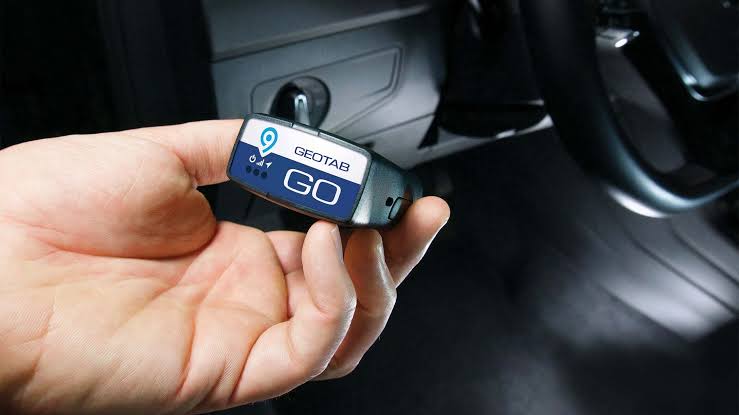
A connected fleet can provide the data needed to understand how vehicles are being used today and what might be required in the future.
For example, fleet managers can analyse journey distances, vehicle utilisation, mileage and operating patterns to help assess whether electric vehicles could be suitable for particular routes or departments.
Geotab’s 2026 State of Commercial Transportation research also highlights the UK’s progress in fleet electrification, with electric vehicles accounting for 10.8% of Geotab-connected vehicles in the UK in the report’s dataset.
This reinforces the importance of using real operational data when planning fleet changes. Rather than making assumptions about which vehicles should be replaced or electrified, businesses can use insights from their existing operations to inform the process.
Making fleet technology work for your business
One of the most important messages from Geotab’s report is that connected technology is not simply about collecting more data. It is about turning that data into meaningful improvements.
A successful fleet management strategy should help businesses answer practical questions, reduce inefficiencies and support better decision-making.
The right solution will depend on the size and type of fleet, the industry, the vehicles being operated and the challenges the business is trying to solve.
For some organisations, the priority may be reducing fuel costs. For others, it could be improving driver safety, managing assets, supporting compliance or preparing for electrification.
This is where working with an experienced technology partner can make a difference.
Connected fleet solutions from Trinsic and Geotab
At Trinsic, we help businesses explore connected vehicle and fleet management solutions through our partnership with Geotab.
Geotab’s technology combines vehicle tracking, telematics and data-driven insights through its MyGeotab platform, helping businesses improve fleet visibility, productivity, safety, sustainability and operational efficiency.
From vehicle tracking and driver performance to asset management and fleet optimisation, we can help you understand how connected technology could support your organisation.
Ready to explore what a connected fleet could do for your business?
Whether you’re looking to reduce fuel costs, improve driver safety, increase vehicle utilisation or gain better visibility across your fleet, Trinsic can help.
Enquire today to speak to our connected vehicle experts and discover how Trinsic Connected Car® and Geotab could support your fleet:
Email – info@trinsic.co.uk
Visit – trinsic.co.uk/connected-car